
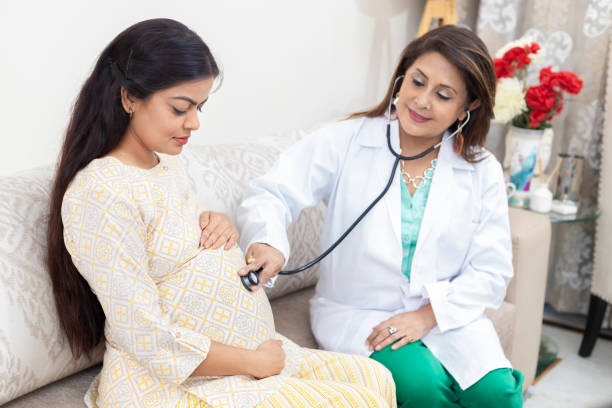
Improving the chances of pregnancy involves understanding key factors that influence fertility and adopting practical steps to enhance reproductive health. Both partners play important roles in conception, so it is essential to approach this process with a comprehensive perspective. One of the first considerations is timing. Knowing the ovulation cycle helps identify the most fertile days when intercourse is more likely to result in pregnancy. Ovulation typically occurs around 14 days before the next menstrual period, but this can vary among individuals. Using tools such as ovulation predictor kits, monitoring basal body temperature, or tracking cervical mucus changes can provide valuable insights into fertile windows.
Maintaining a healthy lifestyle significantly contributes to fertility for both men and women. A balanced diet rich in vitamins and minerals supports reproductive function by providing necessary nutrients like folic acid, zinc, and antioxidants. Regular moderate exercise improves circulation and hormone regulation but should be balanced to avoid excessive physical strain that might disrupt menstrual cycles or sperm production. Avoiding smoking, limiting alcohol intake, and reducing caffeine consumption also positively impact fertility by minimizing toxins that could impair egg quality or sperm health.
Stress management plays an often overlooked yet crucial role in enhancing conception chances. Chronic stress can interfere with hormonal balance necessary for ovulation and sperm production. Techniques such as mindfulness meditation, yoga, or counseling sessions may help reduce anxiety levels during this emotionally challenging time.
Medical evaluation becomes important if pregnancy does not occur after six months how to increase chances of pregnancy regular unprotected intercourse depending on age factors; earlier consultation might be advised for women over 35 years old or those with known reproductive issues. Fertility specialists can perform tests to assess ovarian reserve, tubal patency, semen analysis for male partners, and other diagnostics that identify potential obstacles needing targeted treatment.
In some cases where natural conception proves difficult despite these measures, assisted reproductive technologies offer additional options. Procedures like intrauterine insemination (IUI) or in vitro fertilization (IVF) are tailored based on specific diagnoses and have helped many couples achieve successful pregnancies.
Ultimately, improving fertility requires patience combined with informed actions aimed at optimizing physical health while seeking professional guidance when necessary. Adopting these steps creates a supportive environment conducive to conception while addressing any underlying problems promptly ensures better outcomes over time without unnecessary delay or frustration during the journey toward parenthood.
Head Office
168, BSNL Road, Near BSNL office, Sector 3, Hiran magri, Udaipur, Rajasthan 313001
Call
+91 90018 38800
+91 90019 97440
Email Us
dralkaivf01@gmail.com
Operating Hours
Mon – Sat 9 AM – 6 PM
Sunday 9 AM – 4 PM
About the Author

